Making Matters in the Age of AI
By Suzanne Goddard - Year 7 Guardian and Coordinator Arts, Design and Technology
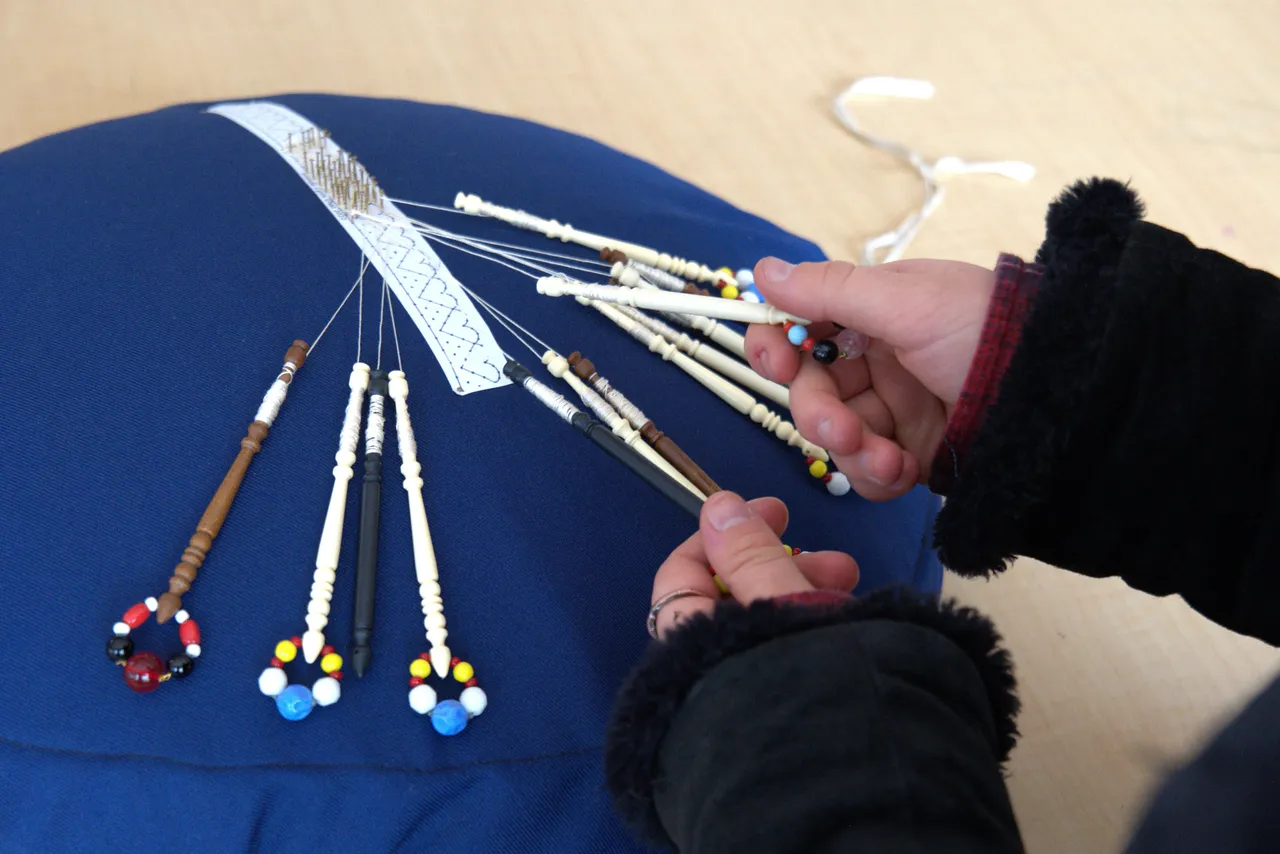
Artificial intelligence is changing the way we work, design, communicate and create. At the same time, an interesting counter-trend is emerging: a renewed interest in making, craft and practical creativity.
This is not simply anecdotal. ABC News and ABC Radio National have reported on the resurgence of craft and traditional making, particularly among younger generations, while academic research is also exploring the importance of maker education, design thinking and hands-on creative learning. Recent peer-reviewed studies have highlighted their contribution to creativity, problem solving, engagement and the development of skills needed for an increasingly technological future.
There is an interesting historical parallel. The nineteenth-century Arts and Crafts movement also emerged during a period of rapid technological change, renewing interest in craftsmanship, thoughtful design and the value of the human hand.
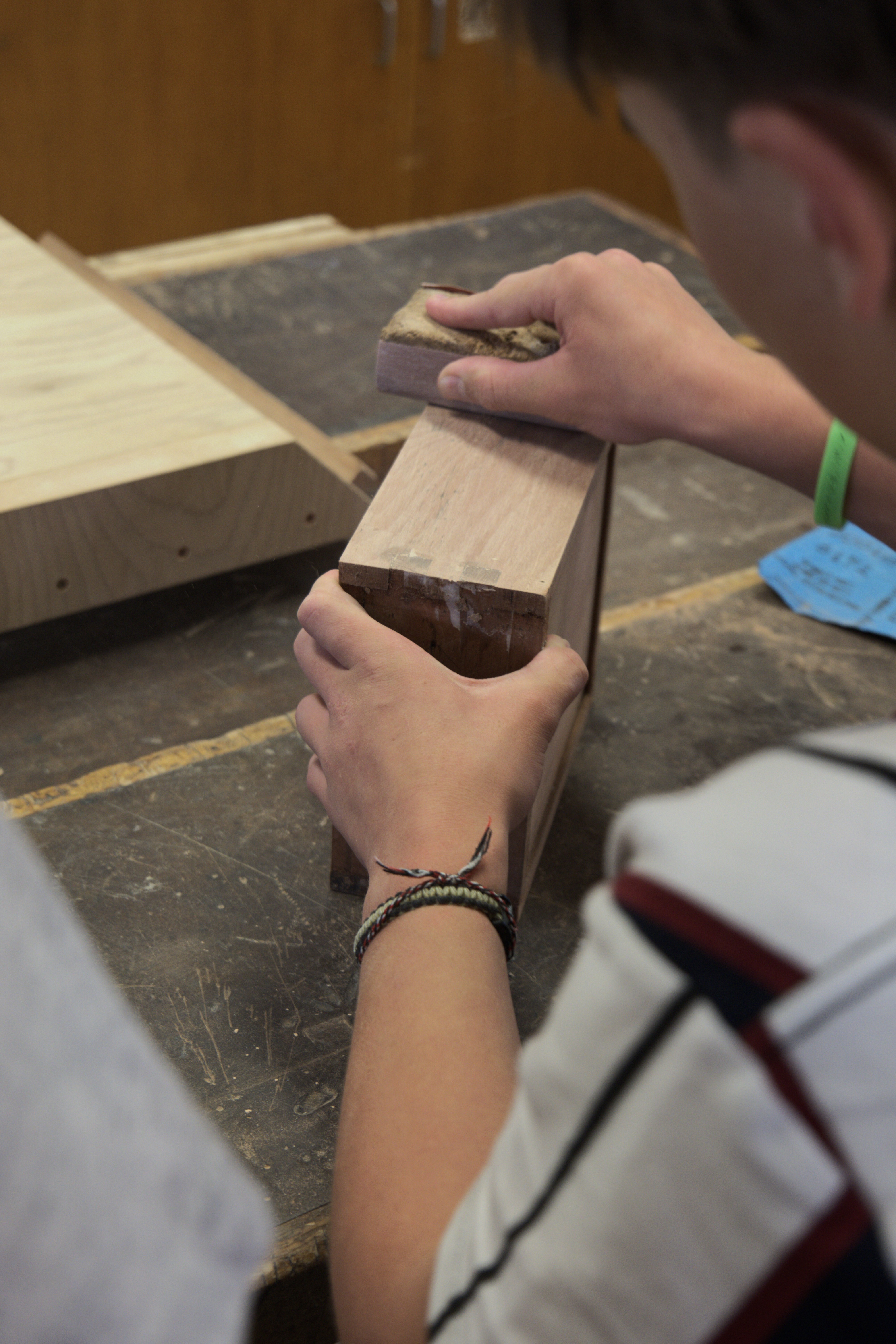
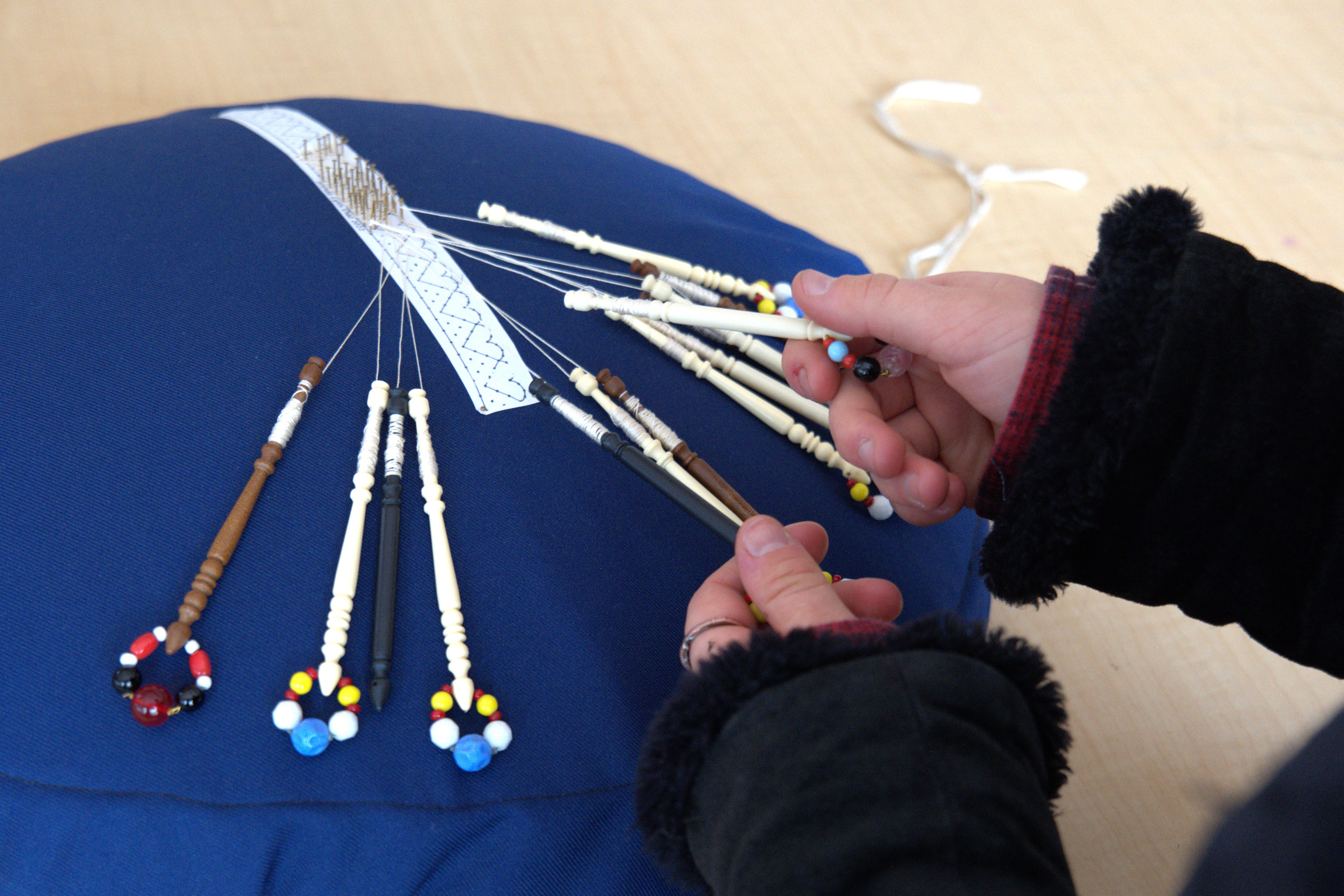
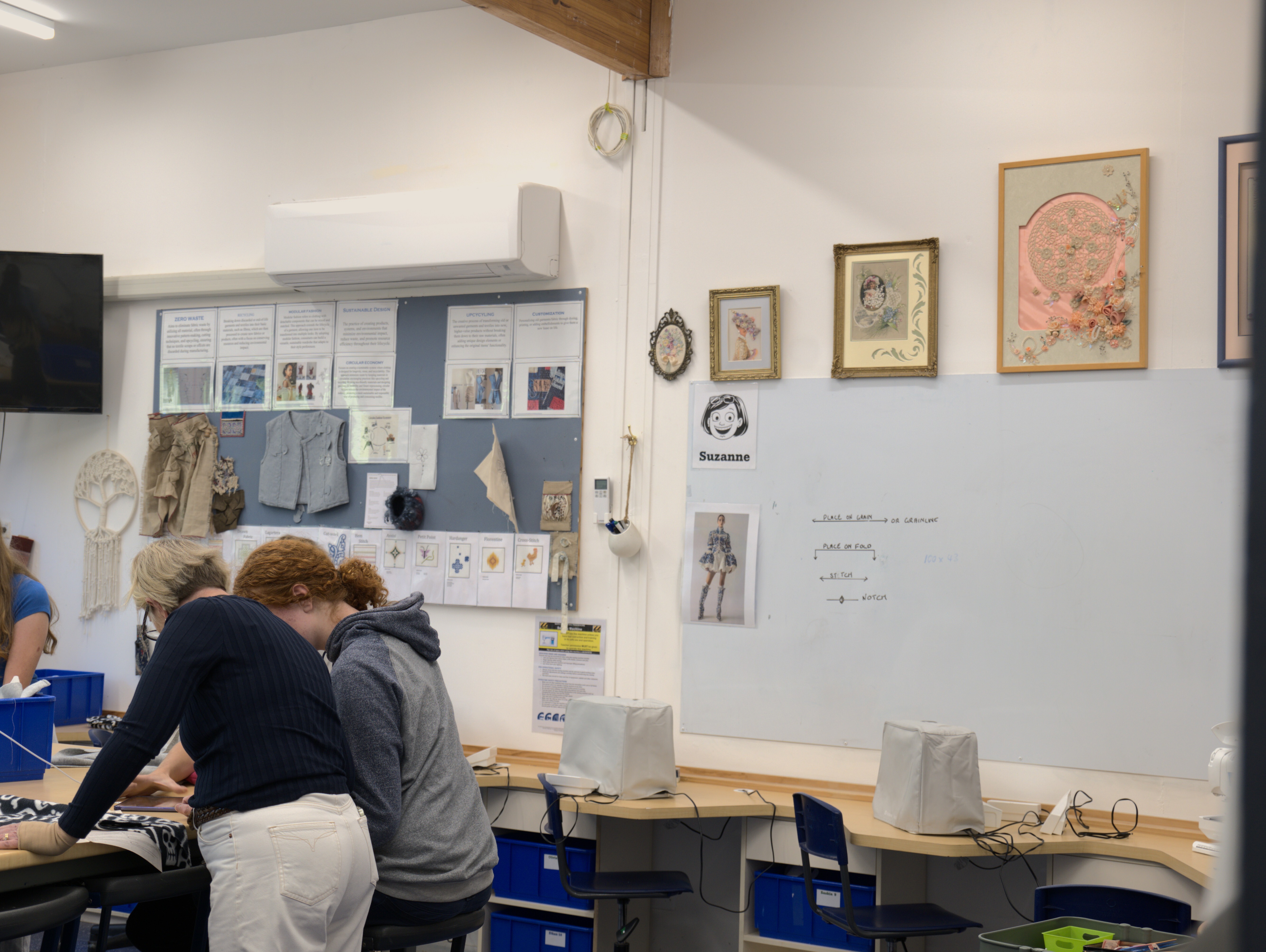
Against this backdrop, the work our students undertake in Arts, Design and Technology feels especially relevant.
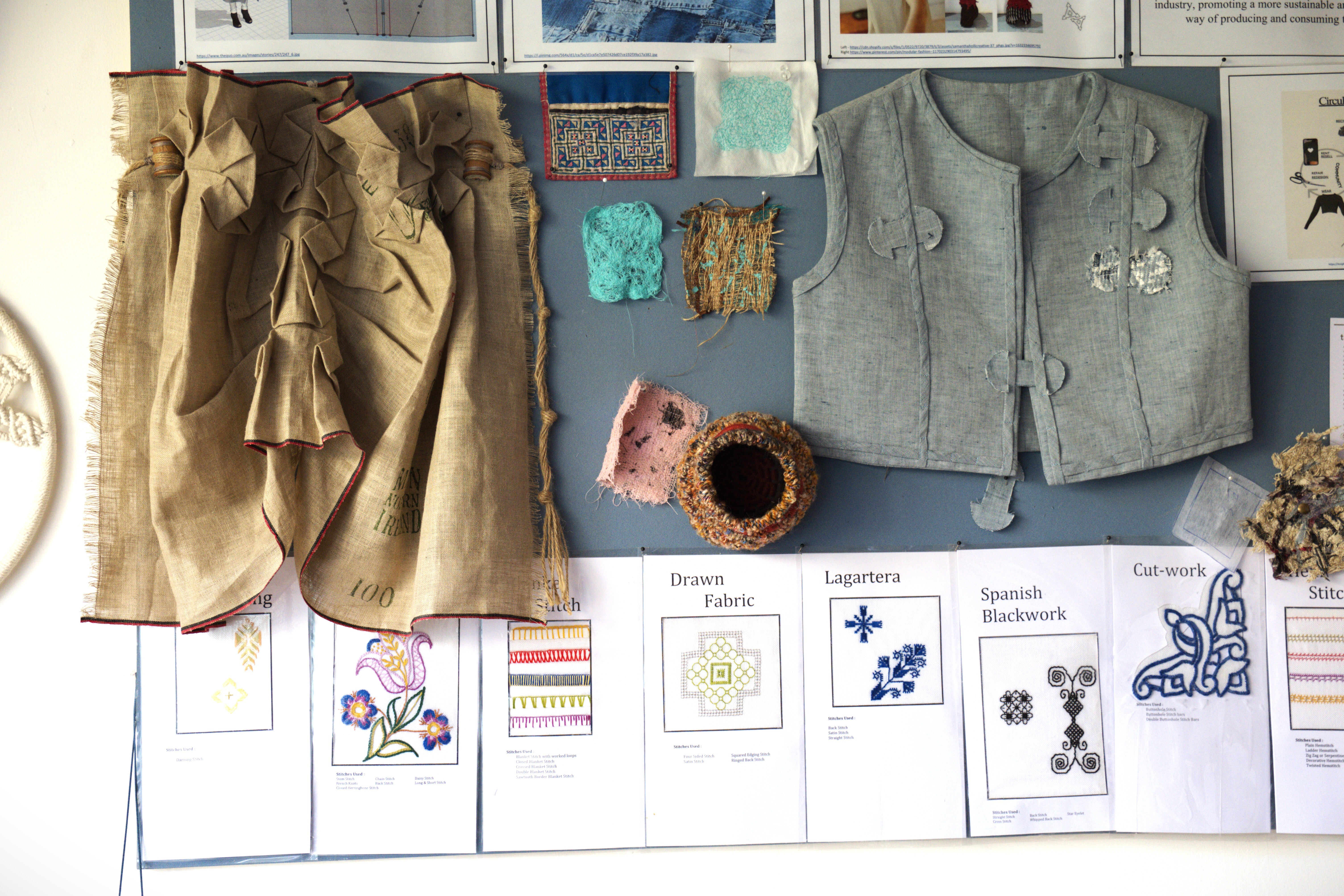
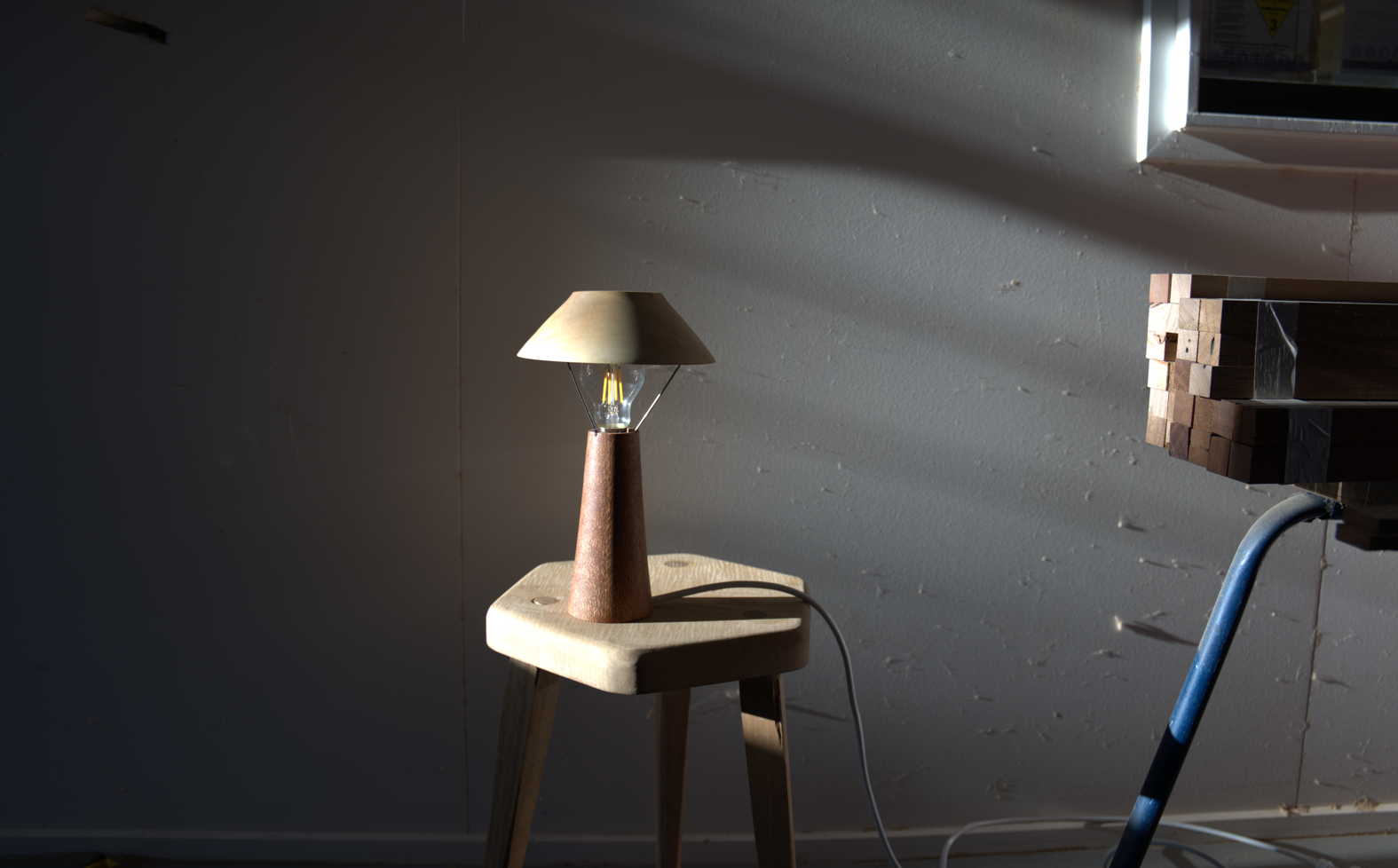
As Semester 2 begins, students across Drama, Music, Visual Arts, Textiles, Handwork, Wood and Metal, Food and Digital Technologies are embarking on projects that ask them to imagine, design, perform, construct, test, refine and solve problems.
Particularly within Design and Technology, students learn through doing. They discover very quickly that the first idea is rarely the final one. Timber may not fit, fabric may behave unexpectedly, a recipe may need adjusting, a prototype may fail or a digital solution may need rethinking. Students must analyse what has happened, consider alternatives and try again.
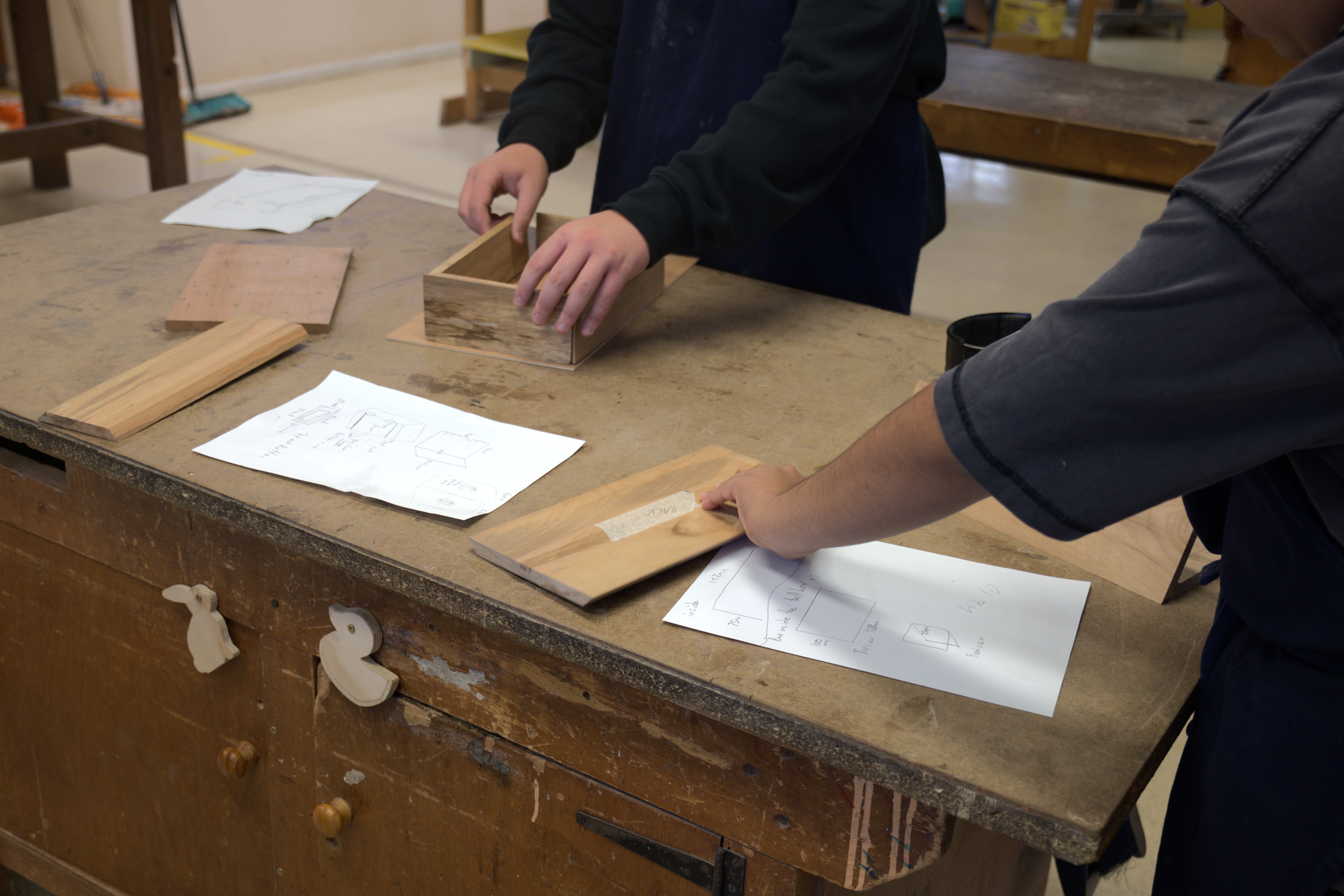
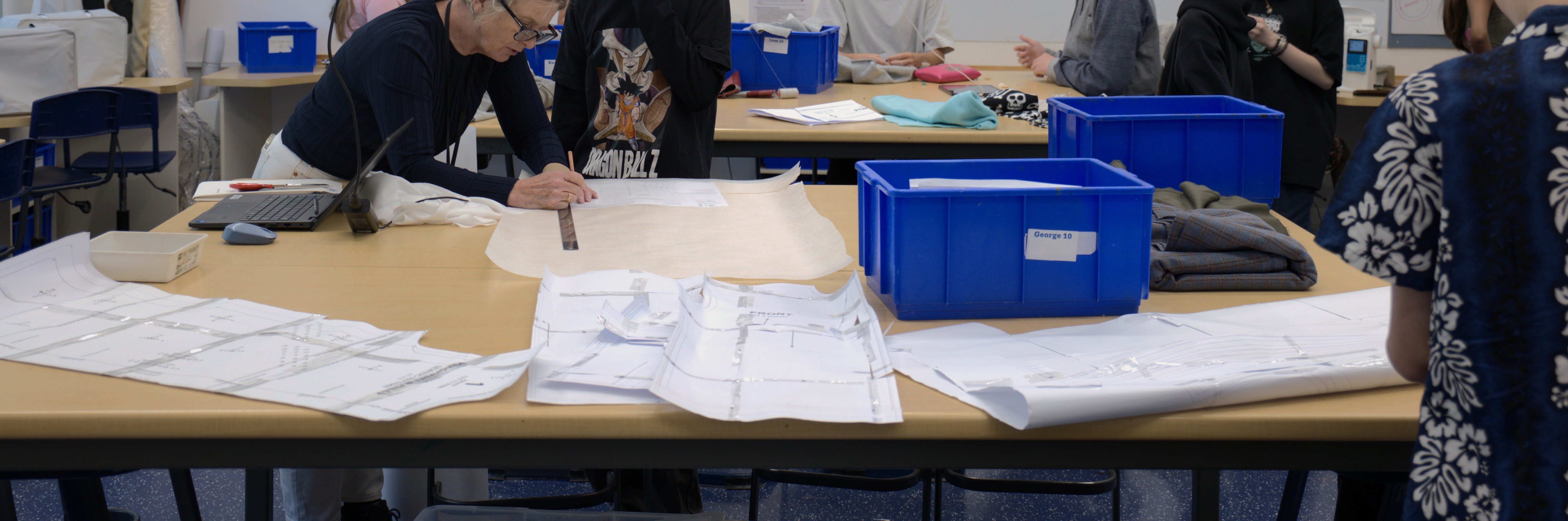
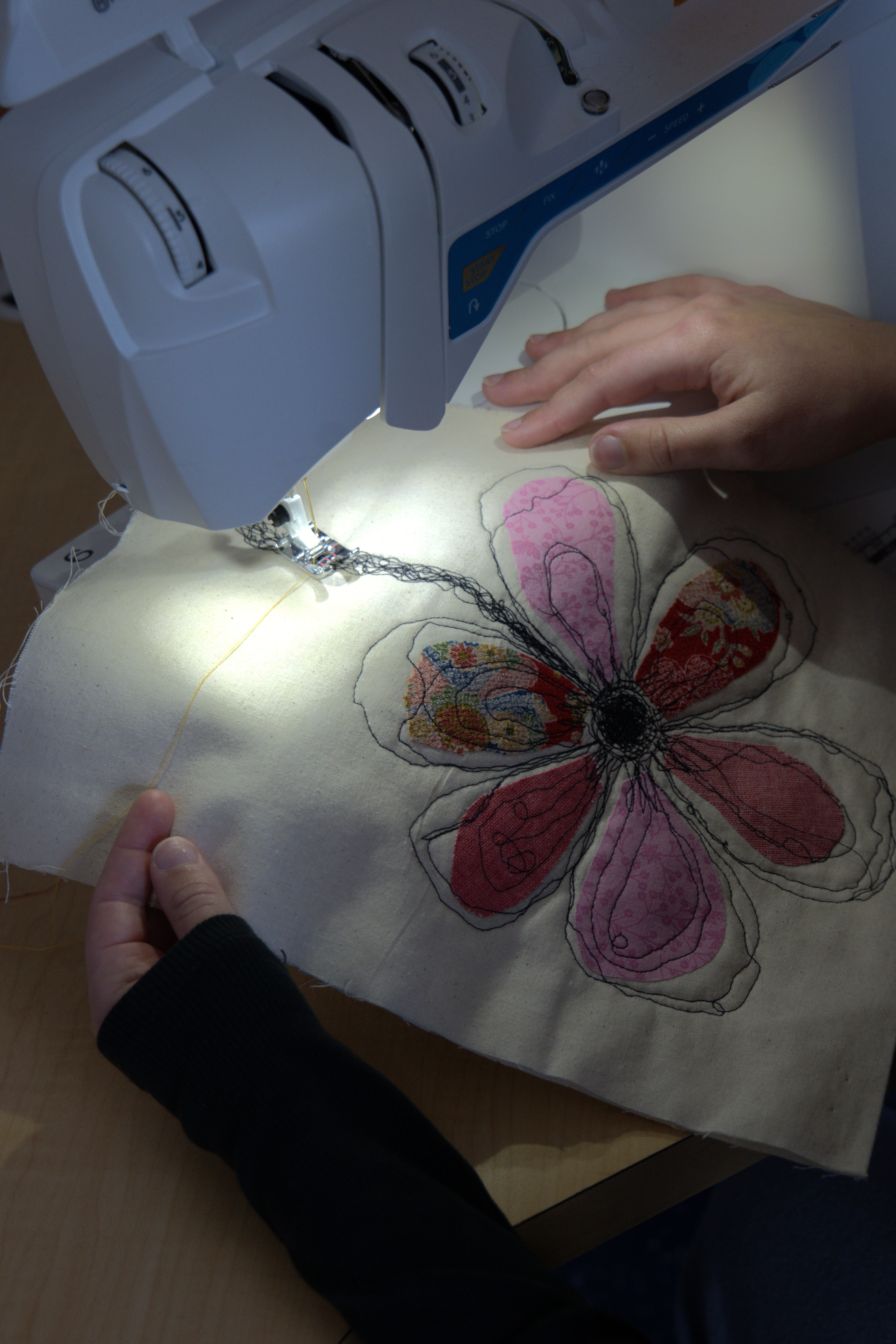
Drama, Music and Visual Arts develop these same habits of mind in different ways - through interpretation, rehearsal, experimentation, collaboration and creative decision making.
At the heart of all of this is problem solving.
The World Economic Forum’s Future of Jobs Report 2025 identifies AI and technological skills as increasingly important, but also emphasises creative and analytical thinking, resilience, flexibility and collaboration as essential skills for the future.
Our students will certainly need to understand new technologies. But they will also need to think, make, adapt, collaborate and solve problems for themselves.
Perhaps, in the age of AI, opportunities to create something genuinely their own have never mattered more.
Suzanne Goddard
Year 7 Guardian and Coordinator Arts, Design and Technology